Making Friends as an Adult Is Hard. Here's How to Do It Anyway
October 16, 20264 min read
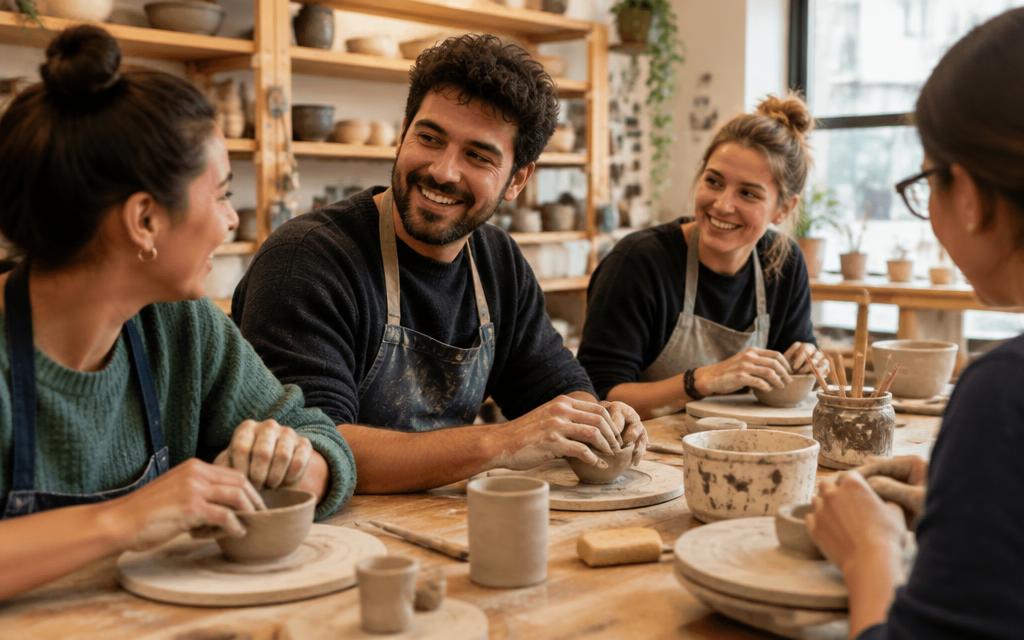
When we were kids, making friends was almost effortless. You sat next to someone in class, shared your crayons and that was it. Best friends by lunchtime. As adults, it is a completely different story. Many people reach their thirties or forties and realize, with a quiet ache, that they do not have many close friends anymore.
If that is you, please know you are not alone and nothing is wrong with you. Adult life simply removes many of the natural conditions that make friendship easy. The good news is that you can create those conditions on purpose.
Why it gets harder
Researchers who study friendship say that three things help friendships form: being near each other often, having unplanned interactions and being in a setting where people feel relaxed enough to open up. School and university gave us all three, every single day.
Adult life usually does not. We go to work, come home, see our partner or family and go to bed. We might have pleasant coworkers, but we rarely see them outside work. Our time is full, and spontaneous hangouts become rare.
There is also the fear factor. As adults, reaching out to someone new can feel awkward or even embarrassing. What if they think we are weird? What if they say no? So we wait for friendship to happen to us, and it often does not.
Show up to the same place again and again
Since repeated contact is one of the keys to friendship, one of the best things you can do is join something that meets regularly. A weekly class, a sports team, a choir, a volunteer group, a book club, a religious community, a running group.
The magic is in repetition. The first time you go, everyone is a stranger. By the fifth or sixth time, faces become familiar. You start chatting before and after. Small talk turns into real conversation. Friendship grows slowly from that soil.
Pick something you actually enjoy, so you will keep going even when it feels awkward at first.
Be the one who reaches out
Here is a secret: most people are waiting for someone else to make the first move. They would love a new friend, but they are just as nervous as you are. If you are willing to be the one who reaches out, you will be surprised how often people say yes.
Start small. 'I'm going to grab coffee after class, want to join?' or 'I loved what you said about that book. Want to chat more sometime?' A small invitation is much less scary than asking someone to be your friend.
If someone says no or seems busy, try not to take it personally. Adults are busy. Try again another time, or with someone else.
Give it time
One study found that it takes roughly fifty hours of time together to go from acquaintance to casual friend, and around two hundred hours to become close friends. That is a lot of hours. It means friendship cannot be rushed.
Be patient. Keep showing up. Keep inviting. A few good conversations are a beginning, not the end goal. Real friendship grows slowly, layer by layer.
Open up a little
Friendship deepens when people share something real. You do not have to tell your life story on the first meeting. But at some point, sharing a worry, a hope or a funny embarrassing story invites the other person to open up too.
Vulnerability is scary, but it is also the glue of close friendship. Start small and see how the other person responds. If they meet you with kindness, you can share a bit more next time.
Rekindle old connections
Making new friends is not the only option. Sometimes the easiest path is reconnecting with old ones. Think about people you used to be close to. A school friend, an old coworker, a cousin you have lost touch with.
Send a simple message. 'Hey, I was just thinking about you. How have you been?' Many people are delighted to hear from an old friend. Even if things do not go back to how they were, you might rediscover a meaningful connection.
Use apps and online groups
There are now apps and online communities designed specifically for making friends. Some help people with shared interests find each other locally. Others host group events. It might feel strange at first, but many people have found real friends this way.
Treat it like any other way of meeting people. Be friendly, be patient and move conversations to real life when it feels right.
Be a good friend in return
Once you start building friendships, take care of them. Remember birthdays. Check in when someone is going through something hard. Celebrate their wins. Keep plans when you make them. People want friends who are reliable and kind.
You deserve connection
Loneliness is painful, and it is more common than most people admit. If you are feeling it, please do not blame yourself. Adult friendship takes effort for everyone. Choose one small step this week. Join one group. Send one message. Say yes to one invitation. Your people are out there, and they might be looking for you too.
Keep reading
If this story helped, you may also like our deeper guides: Signs of a True Friend in Everyday Life and How to Apologize to a Friend With Care.